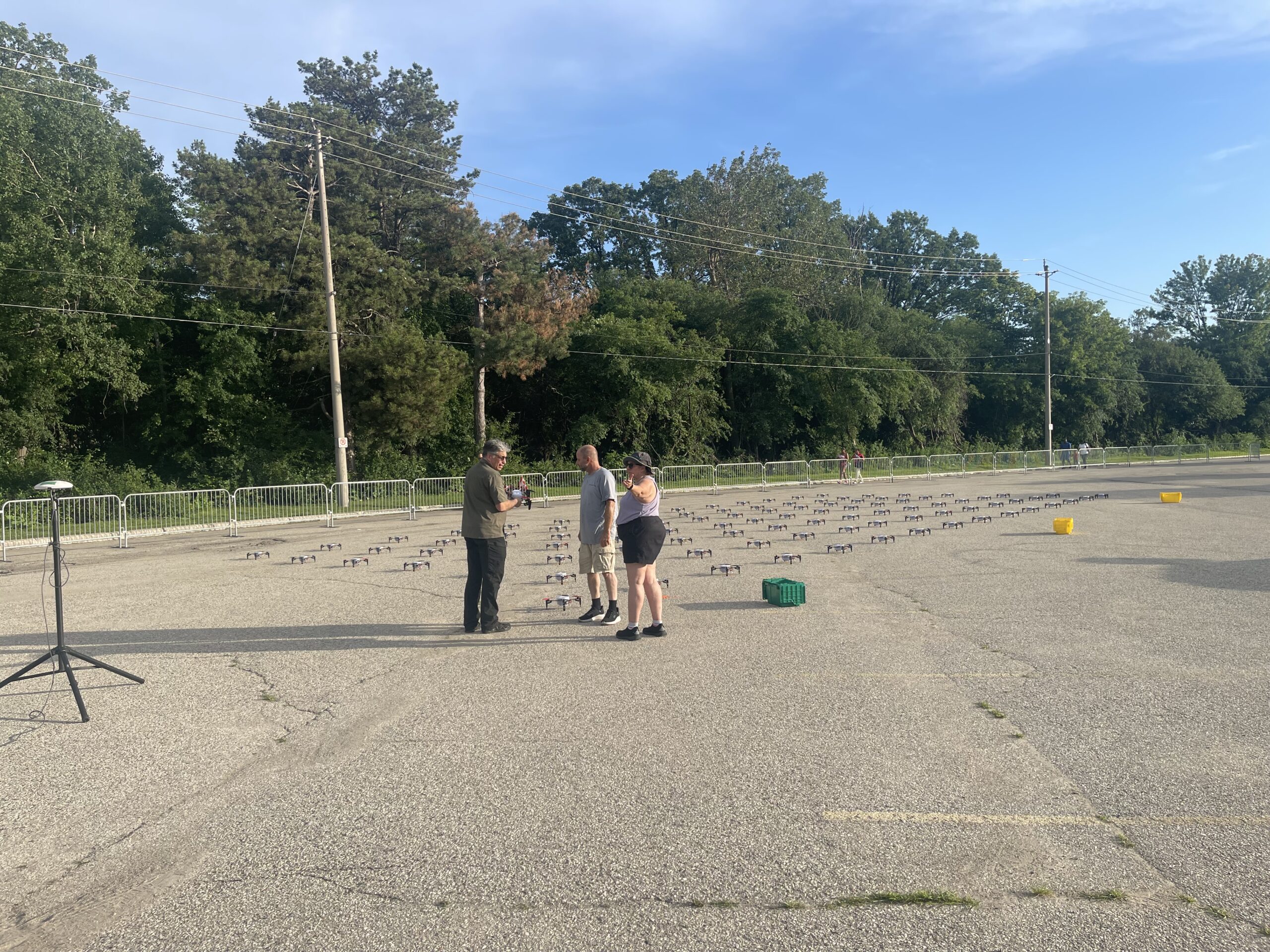
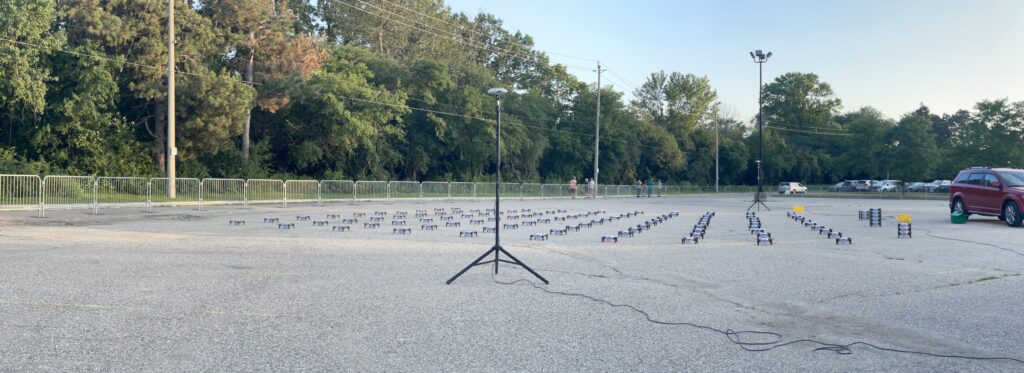
I had the incredible opportunity to crew on a drone show for the Canada Day celebration in Waterloo. It was quite an experience working with a fleet of 100 drones! Our crew consisted of 4 of us plus the pilot.
I heard about this opportunity through Shanta at Coastal Drone, who was one of my fellow crew members on the show.
Setup and Preparation
Our team worked hard to get all 100 drones set up and ready for the evening show. Everything was going smoothly until Mother Nature had other plans.
The Storm Rolls In
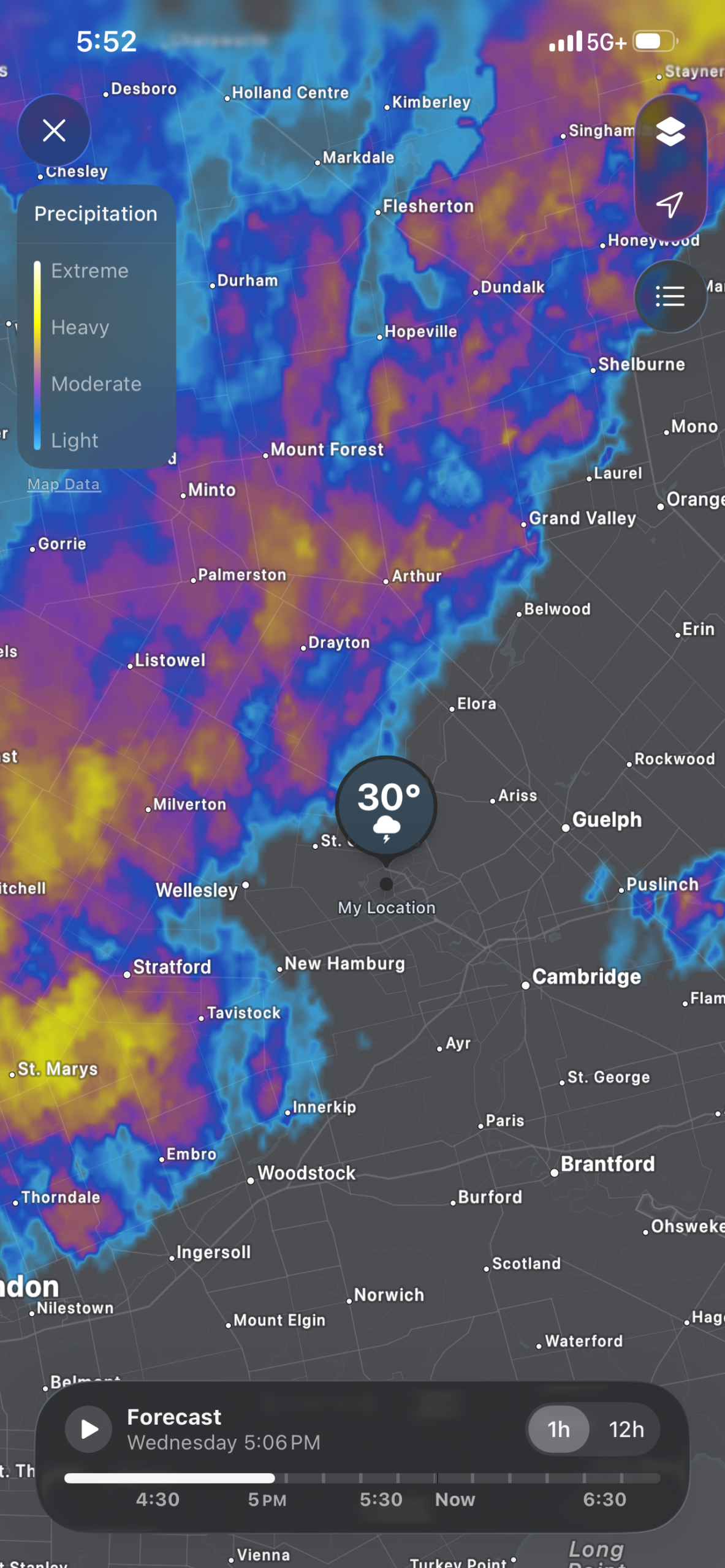
Around 5pm, a thunderstorm suddenly rolled through the area. Fortunately, we had some warning and were able to quickly stow all the drones away in time before any damage could occur. However, the wind was fierce enough that two of our canopies got blown over and were completely destroyed.
Clear Skies Ahead
After the storm passed, we were relieved to see clear weather for the rest of the evening. It was smooth sailing from that point forward, and we were able to put on the show as planned.
The Result
At 10:40pm, the drones finally took to the air and it was absolutely amazing! During the performance, we did have two drones fall out of formation and hit the ground—one as they lifted off, and another during the show. But the show went on and it was spectacular even without those two in formation. The crowd was excited and cheering as the drones displayed flags, words, and other formations in the night sky. The energy was incredible.
As people were leaving, we received many appreciative comments from the audience. Despite the earlier weather challenges, it was an amazing experience being part of such a large-scale drone show for Canada Day!
Lessons Learned
I was able to watch the setup of the software and hardware. With my background in software and tech, it was interesting looking at the pieces and understanding how they are all put together. POE, UPS, WIFI… All the acronyms!
As with all airflight operations, learning from issues is paramount, so they don’t happen again.
- Because we had the thunderstorm, we didn’t get to run a test flight with the drones and potentially catch the failures before the show.
- We probably should have a “What should the crew do on failures” protocol, outlining the steps clearly. For example: don’t try and catch or stop the drone, unplug the battery immediately, if it’s on fire (not that there were any fires), clear the area of bystanders and know how to put the fire out. When the first drone hit the ground, I found myself wondering if unplugging the battery would mess up the other drones.